
My Favorite Video Games of all Time
I started playing video games in the late 1980s when my parents bought my brother and me our first Nintendo Entertainment System (NES). It came with Super Mario Bros. and Duck Hunt, and we were completely enthralled. We spent hours every day trying to reach the next level or beat each other’s scores. We stuck with the NES for years before eventually upgrading to the Super Nintendo Entertainment System (SNES). The leap felt enormous at the time: better graphics, deeper stories, refined gameplay, and simply more ambitious games overall.
At some point in the mid 1990s, my family purchased our first personal computer. That opened the door to an entirely different style of gaming. Suddenly we were using a mouse and keyboard instead of controllers, playing titles like Doom II and SimCity 2000. Eventually PC gaming introduced online play, which completely changed how I experienced games. Being able to connect with others over the internet felt revolutionary, and that competitive multiplayer focus carried me from childhood well into my thirties. I met friends across North America that I still stay in touch with today.
Because of that journey, I tend to value innovation and influence when thinking about my favorite games. These are the titles that shaped genres, introduced bold ideas, or created unforgettable personal experiences. This list is based on impact and memory, not critic scores.
#10 Super Metroid
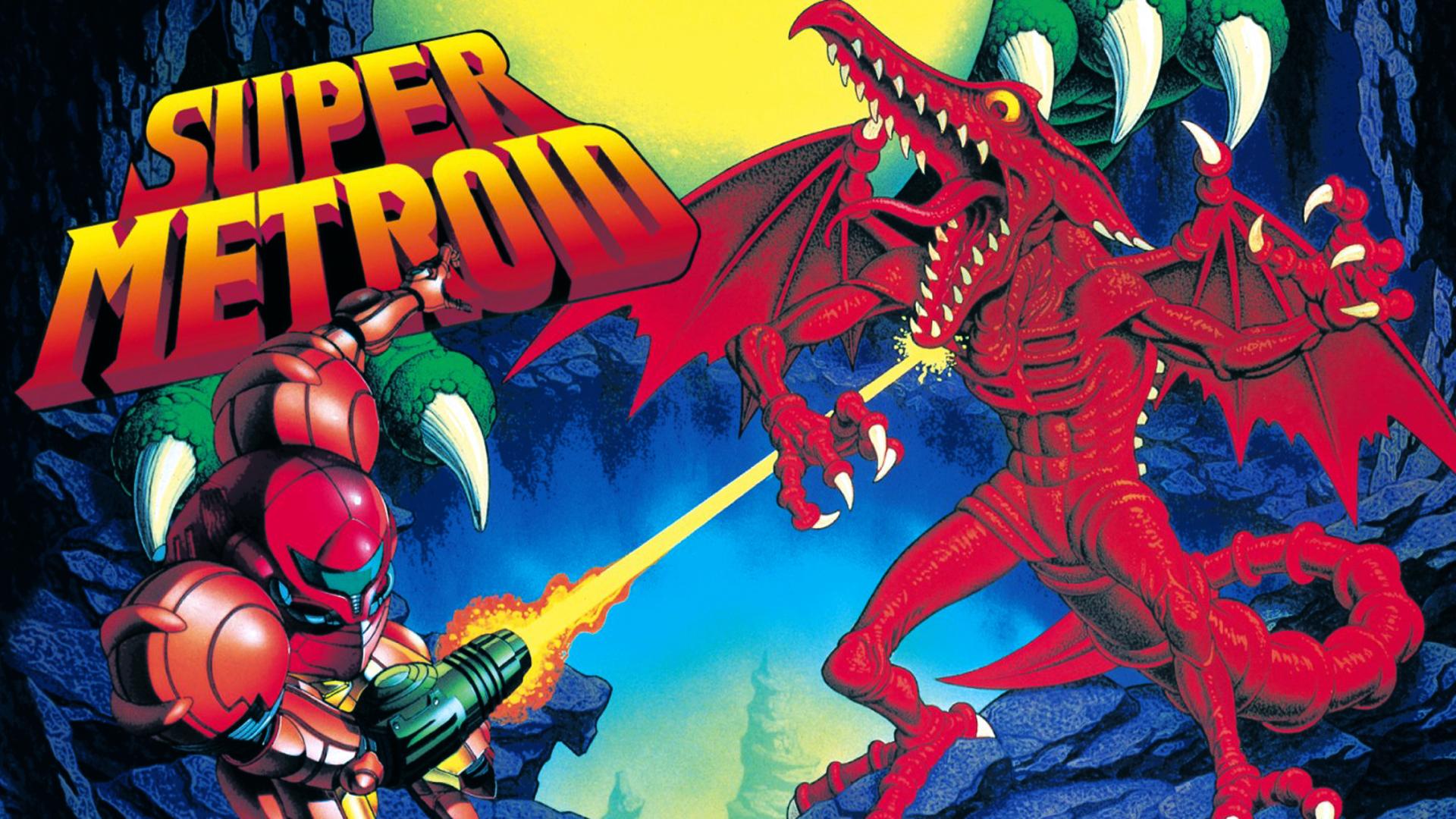
The NES and SNES libraries were packed with classics, and it was genuinely difficult to choose just one representative from that era. But after a lot of careful consideration, Super Metroid stood out.
Released late in the SNES lifecycle, it took everything the original tried to do and perfected it. The atmosphere, gameplay, music, level design, and boss battles were all impeccable. The intro sequence was dark and moody, followed by Samus landing on Zebes and being left completely alone to explore the planet. The sense of isolation was powerful.
The ending was unforgettable too, from the fight with Mother Brain to the baby Metroid’s sacrifice and the final self-destruct escape sequence, which was stressful as hell. Super Metroid also pioneered the concept of checking a map and backtracking to discover new areas that were previously inaccessible, a structure later copied by Castlevania and countless others. What’s crazy is that it still holds up remarkably well even today, compared to modern side-scrollers.
#9 Overwatch
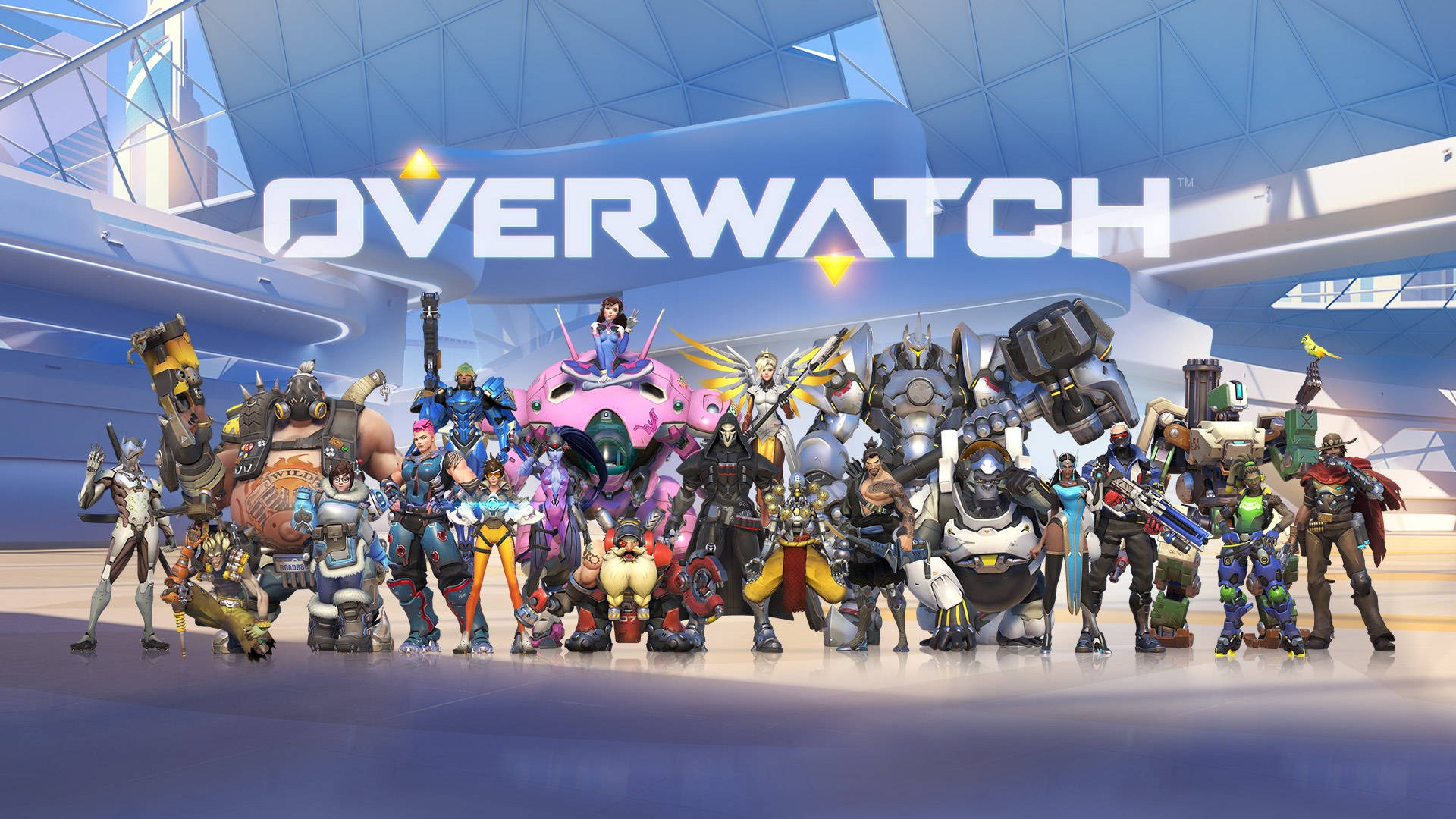
Overwatch was a 6 vs 6 competitive team shooter inspired by earlier class-based games like Team Fortress 2. Teams were typically composed of two tanks, two damage dealers, and two supports, though strategies shifted as the meta evolved. Matches revolved around objectives such as escorting payloads or capturing control points.
Each character felt distinct and offered a unique way to approach the game, and many had abilities that synergized especially well with others. My personal favorites were Zenyatta and Ana, both of whom rewarded positioning, timing, and strong communication with teammates.
I had an incredible amount of fun playing during the game’s peak. I gravitated toward support roles and loved the strategic layer that required constant coordination. Everyone was on voice chat calling out targets, organizing pushes, and reacting in real time. I played for years and even streamed some sessions on Twitch. Those competitive seasons remain some of the most engaging multiplayer experiences I have ever had.
#8 Diablo II
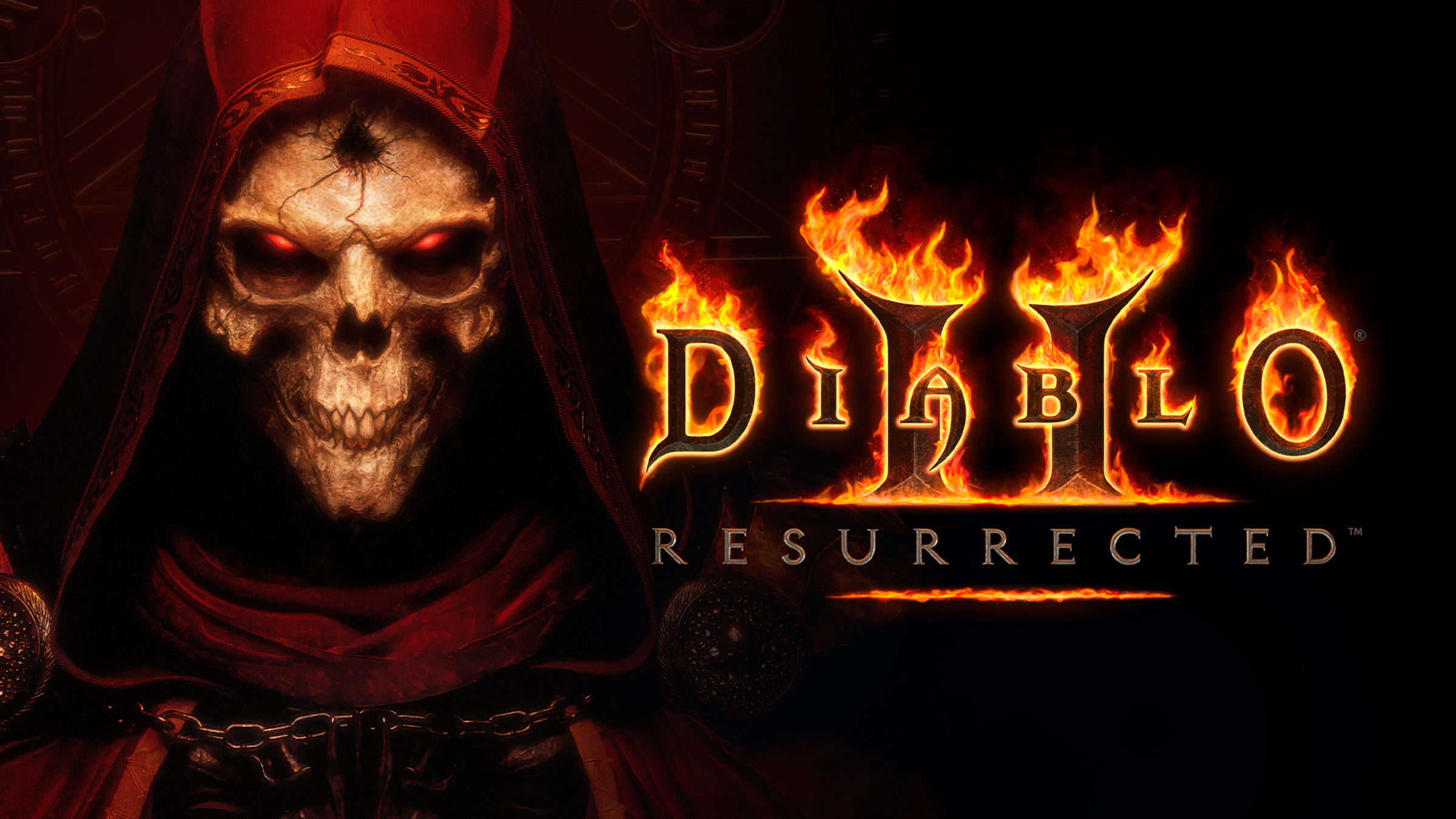
The first Diablo introduced a dark, methodical dungeon crawl and a revolutionary loot system, but Diablo II expanded everything. More classes, faster gameplay, deeper build variety, and unmatched itemization made it endlessly replayable.
The grind to improve your character was completely addictive. Finding that one perfect weapon or piece of armor was always exciting, and the progression systems tapped directly into what I love most about RPGs: the steady, tangible growth of your character over time. I couldn’t put the game down, and neither could a lot of my family and friends at the time.
I’ve played every entry in the series, and while the more recent sequels have cranked up the speed tenfold, what Blizzard North accomplished with Diablo II will always be remembered as a truly revolutionary game that has inspired so many developers through the years. Hell, Diablo II: Resurrected still has a fairly large player base in 2026.
#7 Final Fantasy VII
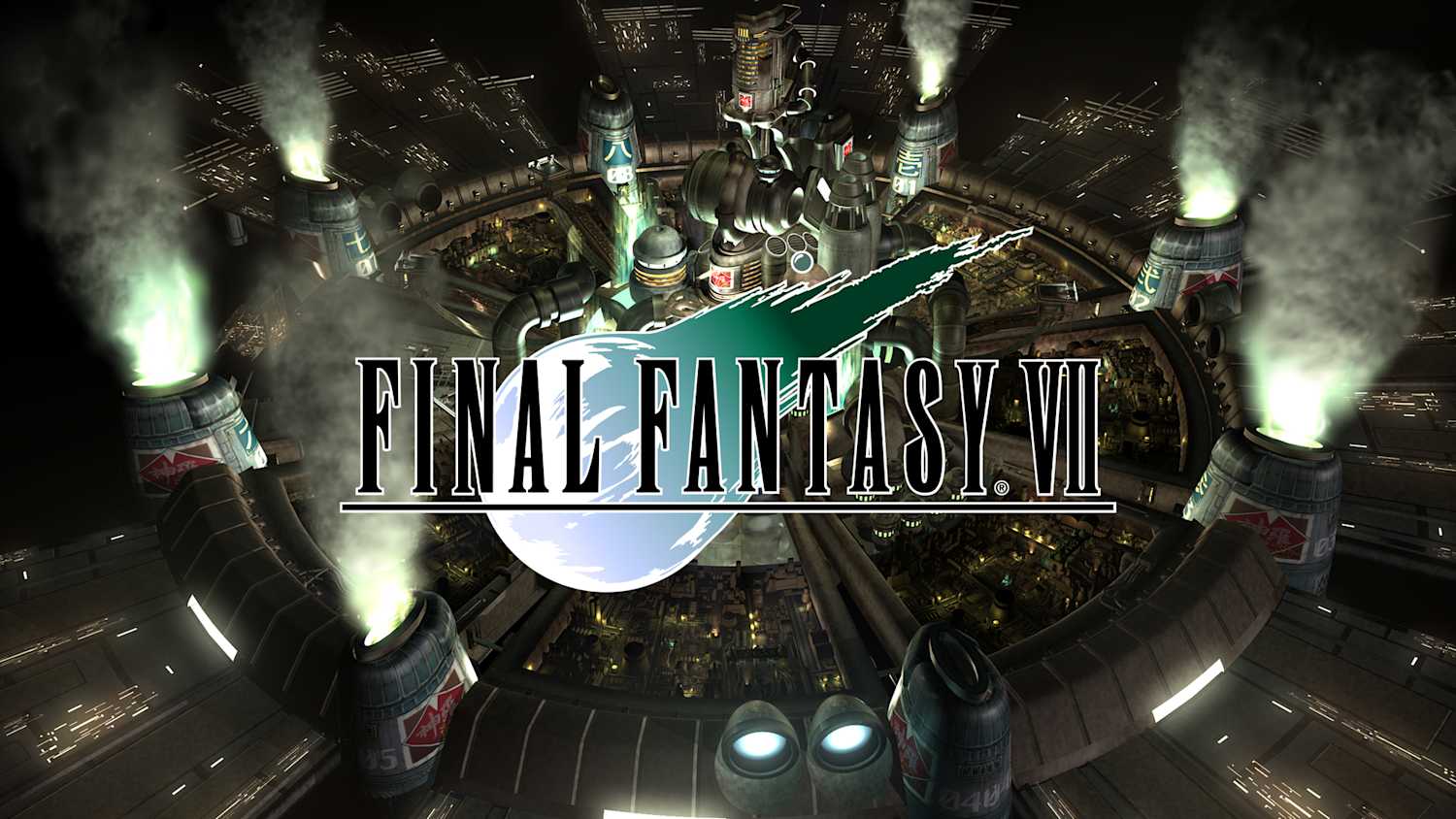
As a kid, Final Fantasy IV introduced me not only to the series, but also to the idea that video games could tell thoughtful, character-driven stories. As a teenager, Final Fantasy VII blew everyone’s minds upon release. The game was so massive it shipped on three CDs. With its huge open world, memorable characters, the Materia system, crazy cinematics, and ambitious story, it felt unlike anything we had played before.
It begins in Midgar, a massive industrial city run by the Shinra Electric Power Company, and initially makes you think the entire adventure will take place there. When the world finally opens up and you get the airship, the sense of scale suddenly becomes epic.
There had been deaths in previous Final Fantasy entries, but Aerith’s death came completely out of nowhere and was devastating at the time. As a teenager, you couldn’t wait to face off with Sephiroth and deliver some justice for her. To this day I still find myself referencing the Lifestream and the game’s portrayal of life, death, and what lies beyond.
And the music. Nobuo Uematsu’s soundtrack was so special. Specifically the Main Theme and One-Winged Angel. I was lucky enough to attend his Dear Friends live tour back in the day, a memory I’ll forever cherish.
I’ve played the modern remakes, and while the polish and presentation are next level, sometimes that first experience just can’t be topped.
#6 Half-Life 2
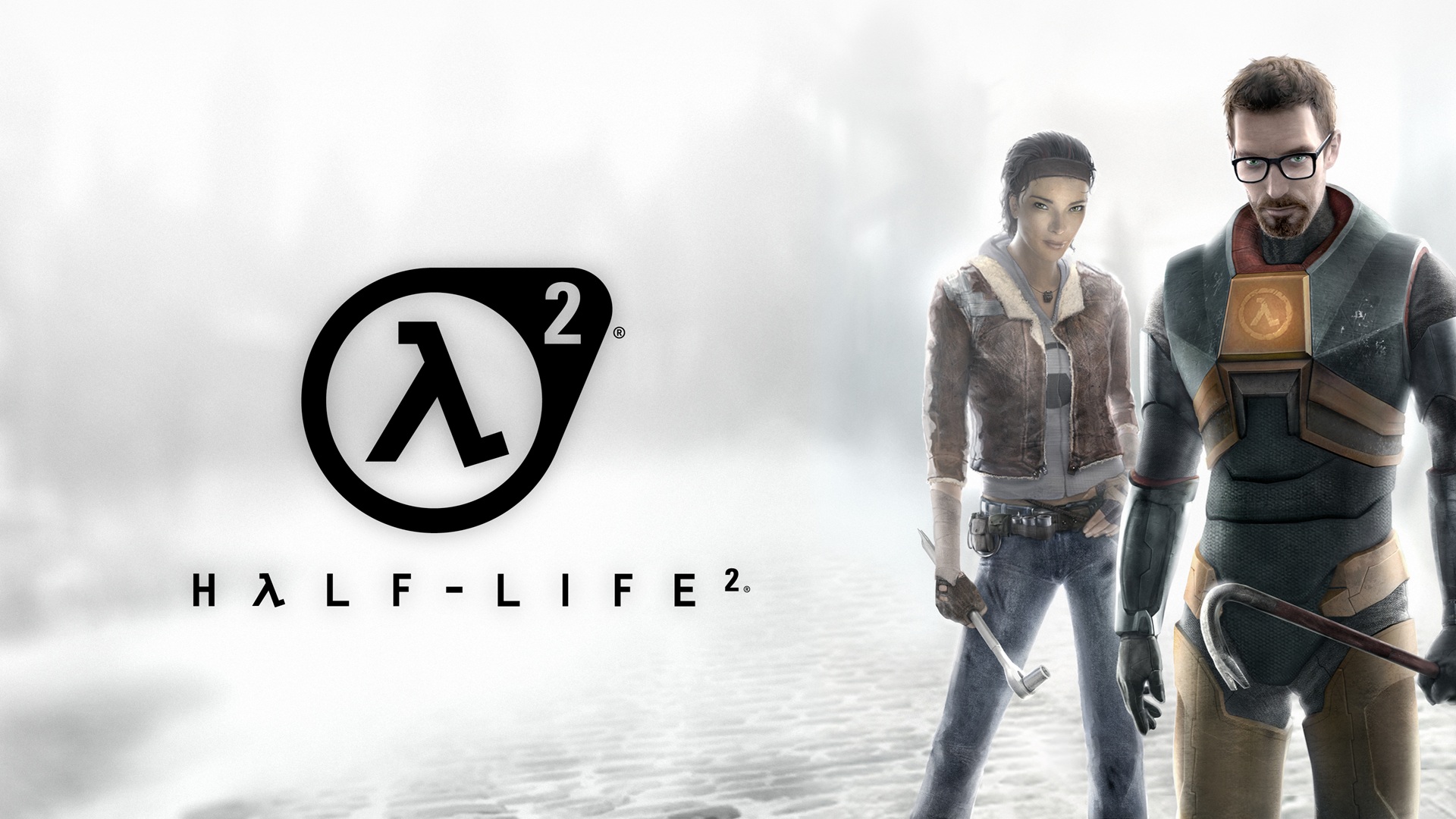
Valve’s follow-up to Half-Life, Half-Life 2 was a monumental moment in PC gaming. It advanced an already intriguing narrative while introducing physics-based gameplay that felt groundbreaking at the time.
The story itself was unlike most shooters of that era. It presented a bleak, mysterious world where humanity had already lost. The Combine’s occupation of Earth, the scattered resistance, and the strange alliance of science fiction and dystopian themes gave the game an atmosphere that felt both oppressive and fascinating. You were not a superhero saving the day so much as a scientist caught in forces far beyond his control, which made the journey feel more grounded and unsettling.
Another memorable addition was the Gravity Gun. Being able to grab, launch, and manipulate environmental objects turned the world itself into part of the gameplay, encouraging experimentation and creativity in combat and puzzle-solving.
The game set a new bar for the genre and remains, in my opinion, the greatest single-player FPS ever created. Valve also released a fantastic 20th anniversary documentary that’s well worth a watch if you want to go deeper on this iconic game.
#5 Red Dead Redemption II
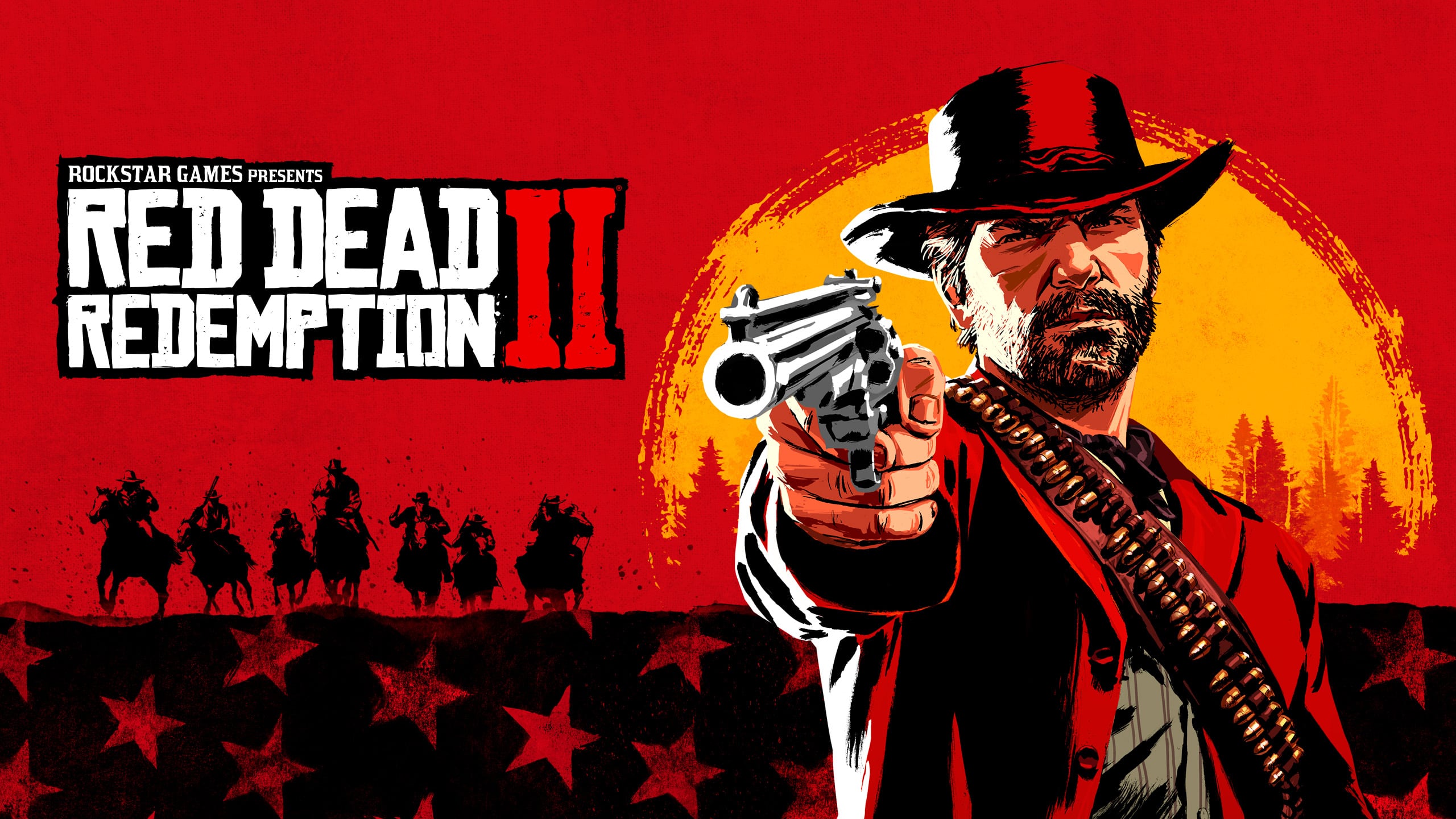
I came to Red Dead Redemption II late, but when I finally played it, I realized what I had been missing. It had been a long time since a game felt this profound.
Often described as a “cowboy simulator,” it builds an incredibly grounded world filled with detail. The story, characters, voice acting, and sheer number of activities make it hard to leave. Hunting, fishing, playing poker, or just riding across the landscape all feel meaningful and help sell the illusion that you are living in that time and place.
What really stood out was the freedom the game gives you to shape Arthur’s path through its honor system. You can choose to help strangers, defuse conflicts, and try to do the right thing, or you can rob travelers, hold up stores, and live as an outright outlaw. The world reacts to those choices in subtle ways, making your actions feel personal rather than scripted.
I spent an absurd amount of time customizing Arthur and immersing myself in the role. Few games have drawn me in that completely.
#4 The Legend of Zelda: Breath of the Wild
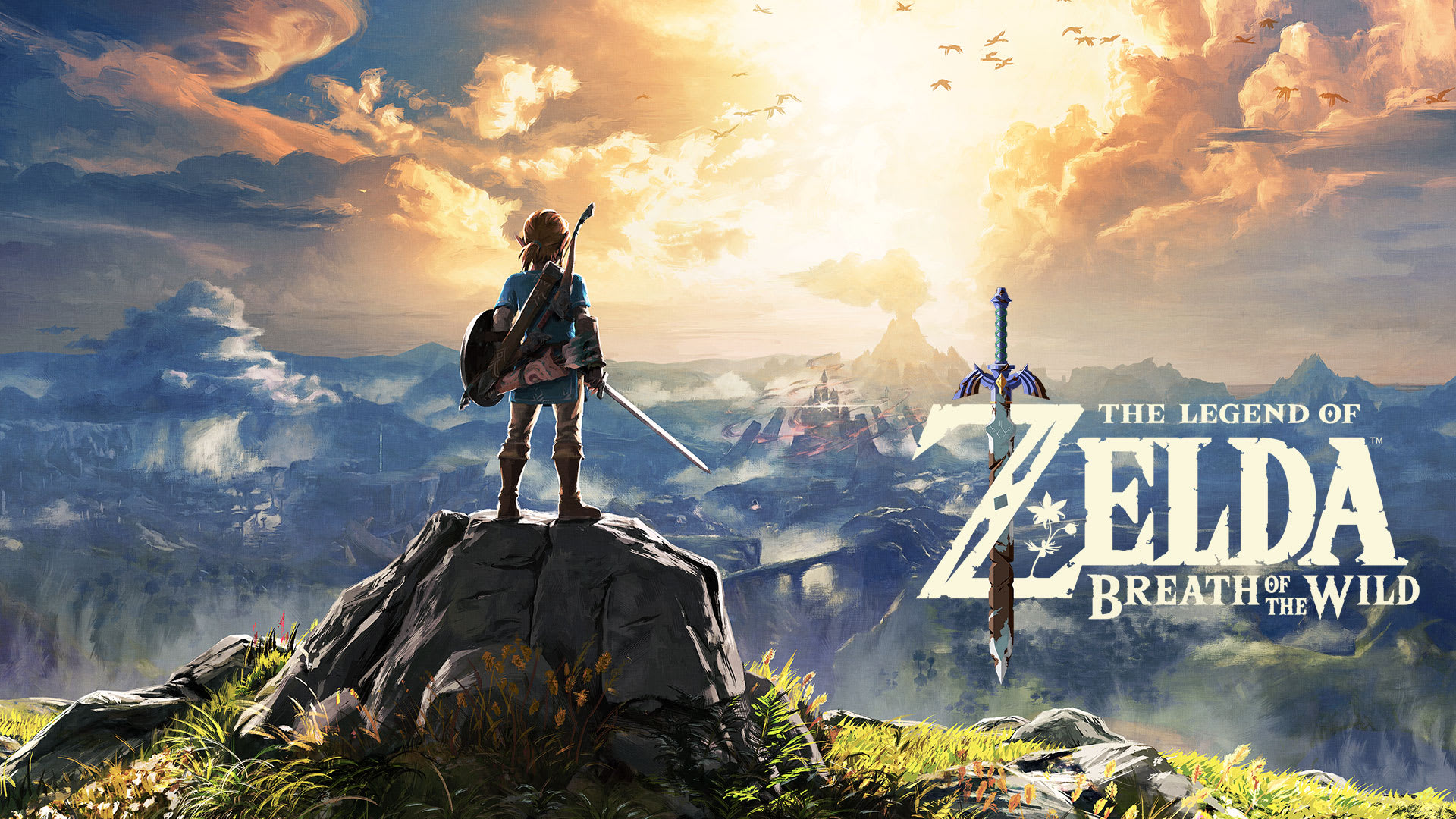
The original Zelda always stood out because it encouraged exploration without hand-holding. It dropped you into a world with very little direction and trusted you to figure things out on your own. The Legend of Zelda: Breath of the Wild feels like the realization of that original vision, finally made possible by modern hardware that could support the scale and systemic design they were aiming for decades earlier.
From the opening moments, you are pushed into a vast landscape and simply told to explore. If you see something interesting on the horizon, you can go there. Mountains are not just background scenery; you can climb them. Weather, physics, and terrain all interact in ways that make the world feel alive rather than staged. The freedom is not just about where you can go, but how you choose to solve problems once you get there.
What makes the game so special is how it layers that freedom with interconnected systems. Weapons break, encouraging experimentation instead of attachment. The cooking system rewards curiosity. Shrines function like small, self-contained puzzles scattered naturally across the land. Even traversal becomes part of the gameplay, whether you are gliding into a valley, scaling a cliff during a rainstorm, or discovering something unexpected because you decided to wander off the path.
All of it works together to create a true sandbox adventure, one that captures the spirit of discovery the series always hinted at but could not fully deliver until now.
#3 Super Smash Bros. Melee
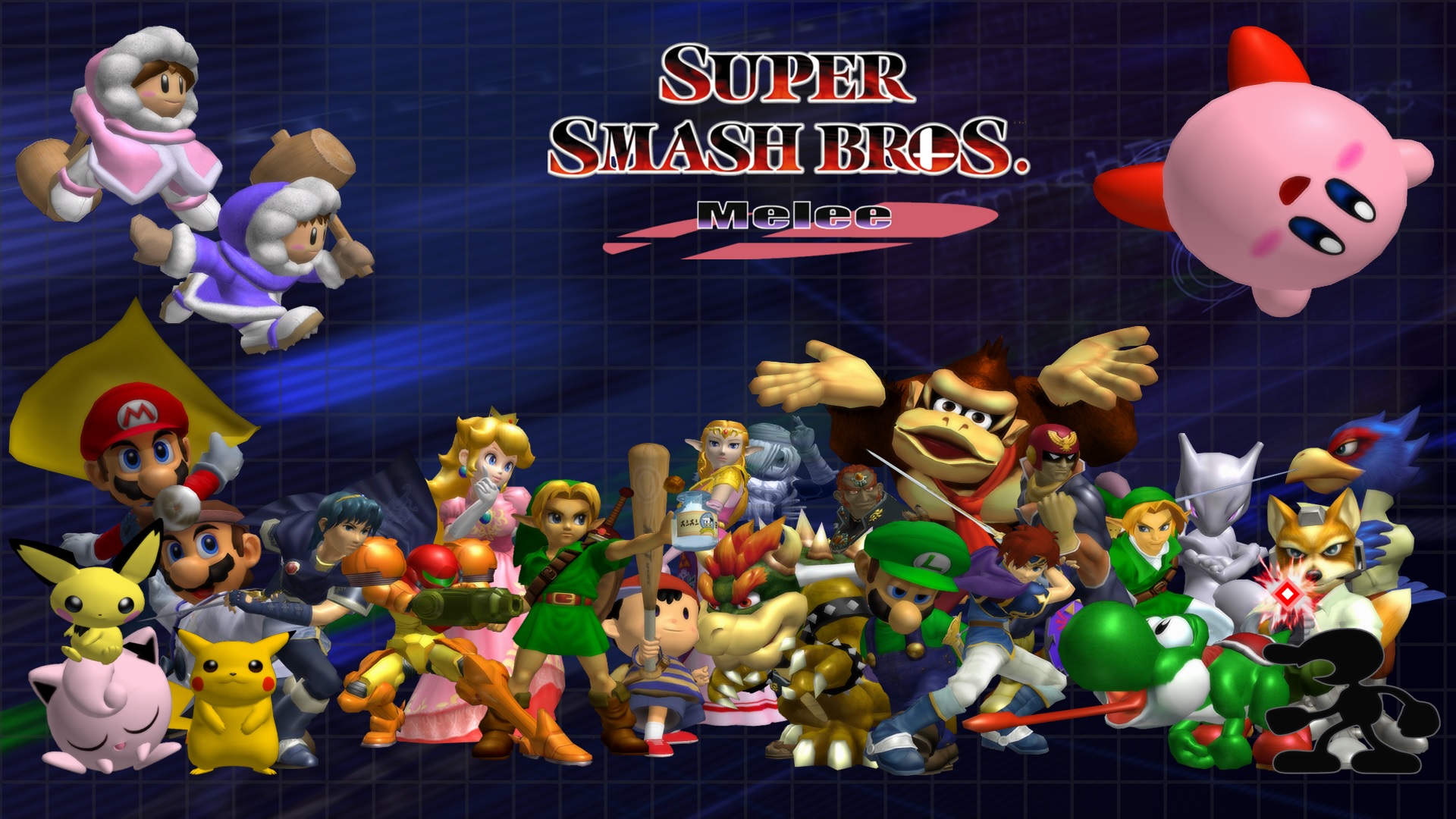
Toward the end of high school and for many years afterward, Super Smash Bros. Melee was the game my friends and I could never put down. We’d meet on weekends to battle for hours, whether at my house, at a friend’s place, or some other local gathering.
Its unique physics created a fast, fluid pace and allowed advanced techniques that gave the game an incredibly high skill ceiling. We started paying attention to competitive tournaments and brought some of those strategies into our own matches, pushing ourselves to improve.
Melee is, in my opinion, the greatest fighting game ever made. More than that, it’s the last game I can remember that really brought people together in person. Friends would crowd around the TV, cheering, trash-talking, and losing their minds over clutch moments in a best-of-seven series. Other people started showing up just because word had gotten around about our SSBM nights. The energy in those rooms is something I’ll never forget, and it’s something I truly miss in today’s online-focused gaming culture.
#2 World of Warcraft
For this write-up, I’m focused on the original vanilla experience, which is where I spent most of my time. World of Warcraft was likely the most anticipated game of all time. I remember when it launched, everyone was picking it up. Logging in for the first time, creating a character, and stepping into that massive world with friends felt like a dream come true. It was the ultimate D&D experience brought to life, with a world built to be explored for months, even years.
I could hardly put it down. I was constantly thinking about new areas to explore, new gear to find, and dungeons to run with my friends. PvP zones added an extra layer of excitement. I initially played as a Hunter and would often leave traps behind me while leveling because Rogues were always trying to ambush me. Encounters with the opposing faction could turn any questing session into a chaotic battle, making the world feel alive and unpredictable.
The community added so much to the experience. Players made PvP videos, shared photos of themselves, and routinely posted on forums. Certain characters became famous, and running into them in-game felt like meeting a celebrity. That first time I explored Azeroth with friends, the sense of adventure, camaraderie, and discovery left a lasting impression. Eventually, I moved on from WoW, but those early experiences remain unforgettable.
#1 Starsiege: Tribes
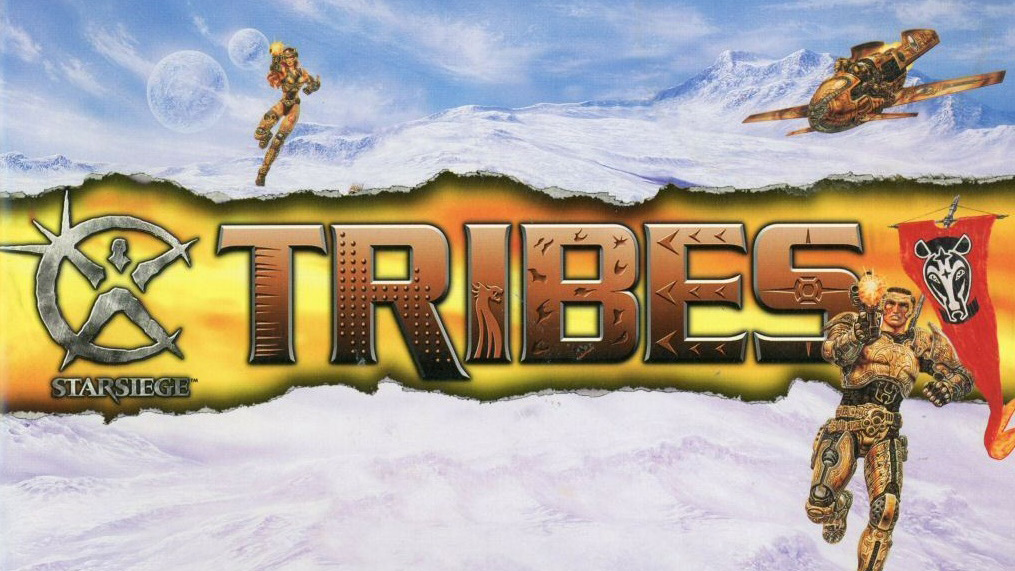
No other game has come close to the number of hours I’ve sunk into the original Tribes. It was the most competitive and rewarding game I’ve ever played, with a skill gap so wide that elite players felt almost untouchable compared to newcomers.
Released for PC in 1998, it was overshadowed by other major titles that year, including Half-Life, StarCraft, and Ocarina of Time. But for those who knew, Tribes offered something extraordinary.
Tribes was the first game to let you play online with up to 32 players in massive capture-the-flag battles. Each team had a base with inventory stations powered by a generator and a flag stand. The concept revolved around defending your generator, keeping your inventory stations online, and protecting your flag, while coordinating attacks on the enemy’s. The team with the most flag captures won.
What made Tribes truly unique was the gameplay itself. Jetpacks let players fly through the air, and early on the community discovered a technique called “skiing,” which allowed players to glide across hills at incredible speeds.
Later, as the player count dwindled, the community created the LT mod, which stripped out armor variety and weapons for a streamlined approach. Everyone spawned with the same loadout and the focus became purely on capture the flag. Competitive matches were mostly 5 vs 5, with two cappers and two chasers. Cappers would try to grab the enemy flag and continually pass it back and forth when near death, unless their own flag was home and they could score. Chasers were responsible for keeping their flag safe or returning it as fast as possible if it was taken.
Players would create MA videos showcasing insane mid-air disc shots. The disc launcher was a projectile weapon, so landing a shot required not only keeping up with the capper’s speed but also predicting the disc’s travel distance and the target’s trajectory. Pulling one off perfectly was extremely difficult but incredibly rewarding, representing the highest level of skill in the game. To this day, it’s the most badass expression of skill I’ve ever seen in a video game.
The Tribes franchise had a rocky history afterward, with half-baked sequels that never lived up to the original. But what Dynamix accomplished with the first game is the definition of lightning in a bottle. For me, nothing has ever come close to that combination of competitive depth, freedom of movement, and sheer exhilaration.
No Comments